



Hidden costs of buying a home in Cairns
If you are considering purchasing a property as an investment you will need to carefully consider all of the associated and hidden costs of buying a home. Mortgage repayments aren’t the only outgoing that needs to be covered by rental income, and whether the venture will be one that provides financial security or becomes a financial burden is something you can work out by accounting for the hidden costs of buying a home. Here’s what to factor in to your financial plan.
Property can form a very lucrative part of an investment portfolio, particularly if it is gaining in value, providing a steady source of passive income and also serving as a back-up home should you need to vacate your primary place of residence.
Up-front hidden costs of buying a home
It is not enough to think about the purchase price of the property only. Investors should set aside at least another 5% of the purchase price to cover additional costs, including:
- stamp duty;
- mortgage fees;
- legal fees and searches; and
- building and pest inspections.
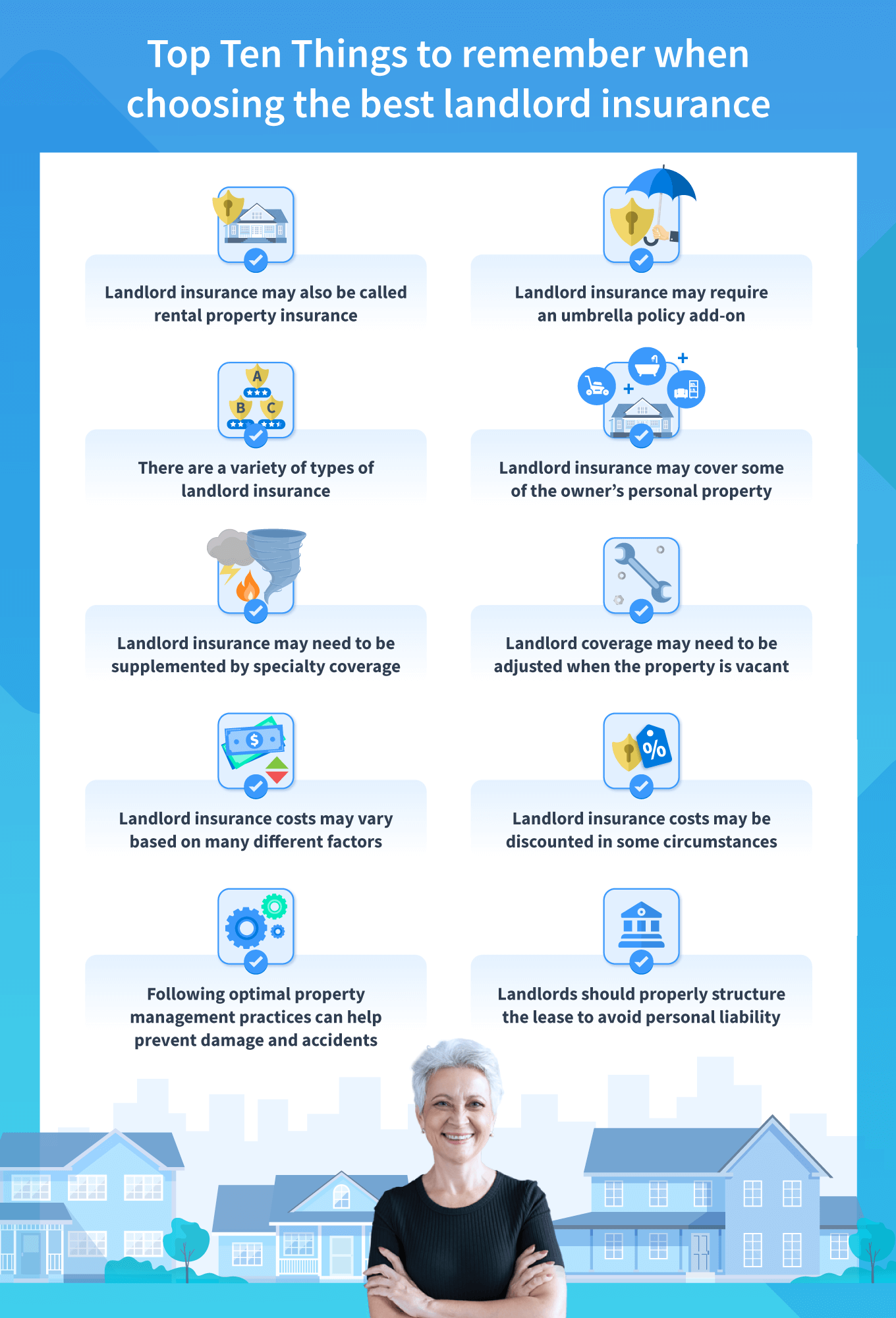
Landlord insurances
In addition to the up-front purchase costs, becoming a landlord means other insurances will be essential to protect your investment. You will want to consider:
- building & contents insurance; and
- landlord insurance.
In addition, it would be wise to protect your income to ensure that you can afford to service the mortgage in case you are unable to work or the property experiences periods of vacancy. Some insurances to assist with these scenarios include:
- income protection;
- TPD insurance; and/or
- life insurance.
Council rates
All properties are subject to council rates. These fees go to managing the local area your property is located in and cover essentials such as rubbish removal and the upkeep of public spaces.

Levies
If the property is strata managed then you will be required to pay levies. Levies cover the cost of keeping the common areas clean and well maintained, repairs and upkeep of assets such as lifts and security doors, the salaries of the building manager, cleaners, security guards and doormen (if applicable) and well-run buildings will also keep what is known as ‘sinking funds’ set aside for projects such as window upgrades or exterior painting.
Repairs and maintenance
As the landlord it is your responsibility to ensure the property remains in the same condition it was rented out – within reason, of course. The cost of the repair of a broken appliance listed on the lease should be worn by the landlord, whereas something broken by the tenant would be on them to pay for.

Maintenance such as flooring, painting and fixtures are also the responsibility of the landlord and may need updating every decade or so (depending on the treatment by the tenants) as will other aspects of the property such as the kitchen and bathroom. These types of costs can add up quickly, even if they are not incurred each year, but it is worth remembering that a modern look and updated features could garner higher rental income or a bigger sale price if you decide to offload the property.
Property management fees
Unless you plan on self-managing the rental of your property you will need to pay an agent to do it for you. Management fees are usually a percentage of the overall income the property generates.
Self-managing the property is allowed but is only recommended if you are in a position to remain abreast of the current tenancy laws and if you are willing to be contacted by your tenants and chase them for rent if things go awry. For most busy landlords, a property manager is worth the fee they charge.
If you are thinking of adding an investment property to your portfolio but are unsure how the hidden costs could affect your financial position, we can assist.


